Woolwich Common gardening tips for terrace gardens
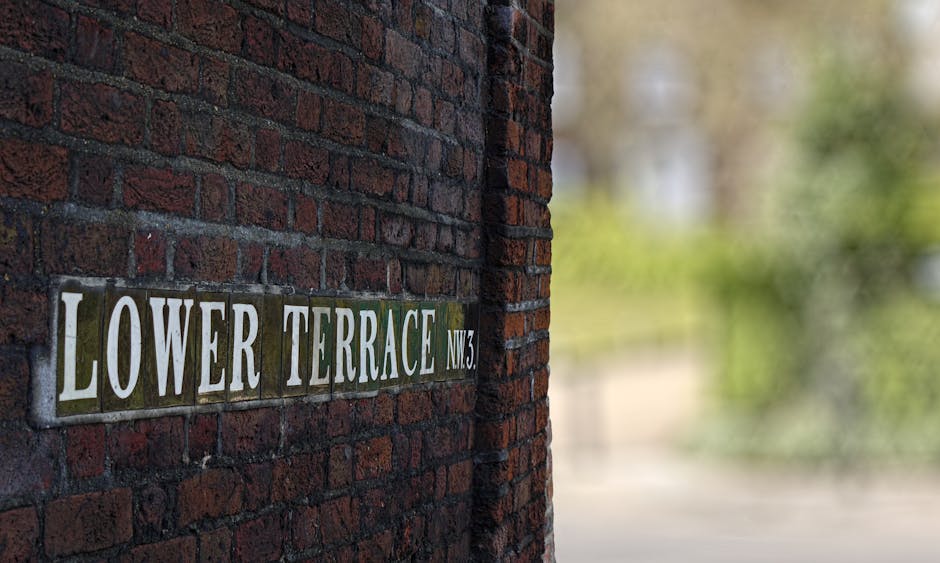
If you are trying to make a terrace garden feel lush, calm, and genuinely usable, you already know it is a bit of a balancing act. Space is tight, winds can be fiddly, soil can be shallow, and one over-enthusiastic plant can suddenly make the whole place feel crowded. These Woolwich Common gardening tips for terrace gardens are designed to help you get the best from a compact outdoor space without making it a full-time chore.
Whether your terrace catches full afternoon sun, sits in a breezy corner, or only gets a few honest hours of light, the trick is to work with the space rather than against it. In practice, that means smart planting, disciplined maintenance, and a layout that feels good in real life, not just in photos. Let's get into it.
Why Woolwich Common gardening tips for terrace gardens Matters
Terrace gardens in Woolwich Common often face a few predictable challenges: limited floor space, shared boundaries, wind exposure, patchy shade, and a constant need to keep things tidy. That combination can make even a small planting decision feel oddly high-stakes. Plant the wrong thing in the wrong place, and suddenly you have a garden that looks cluttered, thirsty, or just plain awkward.
Good terrace garden design matters because small spaces show every mistake. A too-large pot, an unstable climber, or a poor drainage setup becomes obvious fast. On the other hand, a well-planned terrace can feel bigger than it is, with layers of height, texture, and movement that make the whole space feel considered. You notice the difference as soon as you step outside on a breezy morning and the space just works.
There is also a lifestyle angle. A terrace garden should be usable, not just decorative. If you want somewhere for a cup of tea, a few herbs, a bit of privacy, or a quiet seat after work, the layout needs to support that. Practical gardening ideas are not about being fancy; they are about making sure the garden earns its keep.
For homeowners who want help beyond a quick tidy-up, it can be worth looking at a broader garden maintenance service or even a more structural landscaping approach if the terrace needs a proper reset. That is especially useful when the space has been neglected for a while. Truth be told, terrace gardens can hide a lot until you try to use them properly.
How Woolwich Common gardening tips for terrace gardens Works
The basic principle is simple: design in layers, reduce waste, and choose plants that can cope with the specific conditions of a terrace. In a compact garden, every item has to work harder. Your containers need to hold moisture without waterlogging. Your plants need to stay in scale. Your seating, storage, and lighting all need to fit without crowding the space.
Start by reading the terrace itself. Ask a few practical questions: where does the sun land through the day, where does wind whip through, and where does water pool after rain? These details matter more than people expect. A sunny south-facing terrace can dry out quickly in summer, while a sheltered corner may stay damp and shade-tolerant plants will behave very differently there. That is just the reality of small urban gardens.
Once you know the conditions, the job becomes one of matching plants and structures to the space. Upright planting can create height without taking up much floor area. Wall-mounted planters and trellis panels can make use of vertical space. Compact shrubs, herbs, and small perennials can deliver colour without constant trimming. And if you need the whole thing to feel neater and more intentional, a little support from landscape gardening can help turn a cluttered terrace into a usable outdoor room.
Maintenance also works differently in terrace gardens. Because everything is contained, watering and feeding are more deliberate. You cannot rely on the soil to buffer mistakes in the same way you might in a larger border. That sounds restrictive, but it can actually be an advantage. You know exactly what is happening in each container. No guesswork. Well, less guesswork, anyway.
Key Benefits and Practical Advantages
A well-planned terrace garden gives you more than a pretty view. It can be a genuinely functional extension of your home. Here are the main benefits people usually notice first.
- Better use of small space: Vertical growing, compact containers, and layered planting make the most of limited square footage.
- Less visual clutter: A clear plan stops the terrace from feeling crowded or messy.
- Improved privacy: Plants, trellis, and screening can soften overlooking windows and create a more secluded feel.
- Easier maintenance: Smaller, contained planting areas are simpler to manage if you set them up properly from the start.
- More year-round interest: Evergreen structure, seasonal flowers, and good container choice keep the terrace looking alive in different months.
- Better comfort: A balanced mix of shade, shelter, and seating can make the space more inviting on both bright and windy days.
There is a practical financial angle too. If your terrace is designed to stay manageable, you are less likely to face expensive rescue jobs later. A small amount of planning now often prevents the kind of heavy-handed clear-out work that no one really enjoys. For situations where beds, planters, or old materials have built up over time, a garden clearance can give you a clean starting point.
Another quiet benefit: a tidy terrace can make everyday life feel calmer. Not dramatic, just noticeably better. A seat that is easy to reach, a few healthy pots, maybe some scent from rosemary or lavender near the door, and suddenly the space feels intentional rather than leftover.
Who This Is For and When It Makes Sense
These terrace garden tips are useful for a wide range of people, but they are especially helpful if you recognise one of these situations:
- You have a small patio, roof terrace, or enclosed garden that needs structure.
- Your plants keep drying out, collapsing, or outgrowing their pots.
- You want more privacy without building something heavy or permanent.
- You are new to gardening and want a setup that is forgiving.
- Your terrace already has plants, but the layout feels a bit chaotic.
- You rent or share the property and need improvements that are practical, not over-engineered.
It also makes sense if you are working around existing features such as decking, steps, or boundary walls. In some cases, the garden is less of a blank canvas and more of a puzzle. If the hard landscaping needs upgrading as well, it may be worth exploring decking services or broader services overview information to see how the outdoor space could be organised more effectively.
And if you simply want less garden stress, that is valid too. Not every terrace has to be a showcase. Some just need to look cared for, survive the weather, and make a decent place to sit in the evening with a drink. That is enough, honestly.
Step-by-Step Guidance
1. Assess sunlight, shelter, and drainage first
Before you buy anything, spend a little time watching the terrace at different times of day. Where does the light fall in the morning and afternoon? Does the area get blasted by wind? Does rain run off quickly or linger in puddles? These observations are more useful than a vague plant label ever will be.
If drainage is poor, avoid heavy containers without proper holes and raise pots slightly off the ground so water can escape. On a terrace, root rot is a very boring problem but a very real one.
2. Choose a simple layout that leaves walking space
Small gardens can feel larger when the path through them is obvious. Leave enough space to move between planters and furniture without shuffling sideways. Group pots in threes or fives, rather than scattering them everywhere. It sounds obvious, but it makes a huge difference.
3. Pick plants for scale, not just beauty
When space is tight, a plant's final size matters more than how it looks in the nursery. Compact shrubs, dwarf evergreens, herbs, ferns, ornamental grasses, and smaller flowering perennials usually behave better than sprawling varieties. Climbers can be excellent, but only if you are happy to train and prune them.
4. Build height with vertical features
Use trellis, wall planters, shelves, and hanging containers to bring the garden upwards. This creates depth and keeps the floor clear. You do not need much. Even one or two vertical elements can stop a terrace from feeling flat.
5. Use containers with proper soil mix
Terrace planters should be filled with a quality potting mix suited to the type of plant. Ordinary heavy soil can compact too much in containers. Keep a watering can nearby, because small gardens are often deceptively thirsty in warm weather.
6. Add a low-maintenance routine
Set a rhythm that you can stick to. A quick weekly check is better than one heroic weekend every two months. Deadhead flowers, remove damaged leaves, check for pests, and make sure pots have not dried out completely. That simple routine keeps the whole place looking cared for.
If you want support with the ongoing side of things, regular garden maintenance can be a practical option, especially if your terrace garden has several containers or seasonal planting that needs consistent attention.
Expert Tips for Better Results
After a while, the same patterns show up again and again in terrace gardens. A few small expert moves can make the space feel much better without spending a fortune.
- Limit your palette: Two or three main pot colours and a handful of plant types usually look calmer than a mix-and-match jumble.
- Repeat shapes: Repetition creates unity. A few matching pots can make even a modest terrace feel designed.
- Use scent near seating: Herbs like thyme, rosemary, and mint can make a seating area more pleasant, especially in the warmer months.
- Think in layers: Tall at the back, medium in the middle, low at the front. It is an old trick because it works.
- Choose weather-tough materials: Terrace gardens take a bit of punishment from sun, rain, and wind, so durability matters.
- Prune lightly and often: Tiny trims are easier than emergency reshapes.
A simple but useful rule: if something needs constant rescuing, it is the wrong plant for the spot. No shame in that. Swap it out and move on.
In our experience, one of the best improvements is also one of the least glamorous: keeping the terrace clear of excess debris and old compost bags. If you have been storing bits and pieces there for "later", later has probably arrived. A seasonal tidy, or even a small-scale garden clearance, can instantly reset the space.
Common Mistakes to Avoid
Terrace gardens are forgiving in some ways and unforgiving in others. A few common errors cause most of the trouble.
- Overcrowding: Too many plants or too much furniture makes the space feel smaller, not richer.
- Ignoring wind: Tall, flimsy plants and lightweight pots can suffer badly in exposed areas.
- Choosing containers without drainage: This is one of those mistakes that seems small until roots start failing.
- Buying plants without checking mature size: What looks neat in April can feel like a jungle by July.
- Letting watering become random: Terrace containers dry out quickly and need consistency.
- Forgetting winter interest: A terrace that only looks good in summer can feel bare for months.
Another one people often overlook is access. If a planter blocks the route to a water butt, storage box, or seating area, it becomes annoying very quickly. A good terrace garden feels effortless to use. If you have to squeeze past every time, something is off.
And yes, a lot of people buy too many decorative accessories. Little lanterns, signs, ceramic animals, the lot. One or two accents can be lovely. Eight can make the whole thing look a bit like a garden centre exploded.
Tools, Resources and Recommendations
You do not need a mountain of equipment for a terrace garden. In fact, keeping the kit simple tends to work best.
| Item | Why it helps | Best use in a terrace garden |
|---|---|---|
| Quality pots with drainage | Protects roots and keeps watering manageable | Main containers for flowers, shrubs, and herbs |
| Watering can or hose with gentle nozzle | Prevents soil from washing away | Daily or weekly watering, especially in dry spells |
| Hand trowel and secateurs | Useful for planting and light pruning | Routine maintenance and plant shaping |
| Multipurpose potting mix | Supports healthy container growth | Most terrace containers and planters |
| Trellis or plant support | Adds height without taking up floor space | Climbers and vertical screening |
| Storage bench or box | Keeps clutter off the terrace | Cushions, tools, and small garden items |
If you want a garden that stays easy to manage, a small set of good tools beats a random pile of gadgets every time. A pair of sharp secateurs, for example, is boringly useful. Boringly. But you will reach for them constantly.
Where the structure is the issue rather than the planting, it can be worth comparing options for landscaping and related outdoor improvements. A terrace sometimes needs a better framework before the plants can really shine. For broader service details, the services overview is a useful starting point when planning the next step.
Law, Compliance, Standards, or Best Practice
For most terrace gardens, the main concern is not heavy regulation, but common-sense best practice. Still, a few UK realities are worth keeping in mind.
If you live in a shared property, leasehold building, or managed block, check any building rules before making changes to railings, screens, planters, or drainage. It is much easier to confirm first than to undo later. If a terrace is raised or exposed, safety matters as well. Heavy pots should be placed securely, and climbing supports should not be fixed in a way that could damage walls or create a hazard in strong wind.
When work becomes more structural, reputable providers should be clear about safety, insurance, and the scope of work. That is where pages such as insurance and safety and health and safety policy are helpful signals of how a company approaches risk. If you are booking any service work, it is sensible to understand payment terms too, so payment and security information can be worth a look.
Environmental best practice is also relevant. Try to reuse pots where possible, compost green waste responsibly, and choose materials that last. If sustainability matters to you, the recycling and sustainability information can help set expectations around responsible garden work. Simple principle, really: keep what is useful, recycle what you can, and avoid unnecessary waste.
Options, Methods, or Comparison Table
There is no single right way to shape a terrace garden. The best approach depends on how much time you have, how exposed the space is, and whether you want a decorative or functional result.
| Approach | Best for | Pros | Trade-offs |
|---|---|---|---|
| Container-led planting | Beginners and renters | Flexible, easy to change, simple to manage | Needs regular watering and feeding |
| Vertical planting | Very small terraces | Saves floor space, adds privacy, creates height | May need extra support and pruning |
| Low-maintenance evergreen scheme | Busy homeowners | Looks tidy year-round, less seasonal disruption | Can feel less colourful if not layered well |
| Mixed ornamental and edible setup | People who want beauty and use | Herbs, salads, and flowers can share space nicely | Requires a bit more planning |
| Full redesign with hard landscaping | Problem terraces or awkward layouts | Can transform access, drainage, and useability | More involved and usually needs expert input |
If your terrace has already become a patchwork of mismatched pots, broken supports, and tired soil, a full clean-up may be the better starting point. After that, the planting can be built back in layers, which is usually the easiest way to get a result that feels calm instead of busy.
Case Study or Real-World Example
Imagine a narrow Woolwich Common terrace with a paved floor, a plain boundary wall, and a few containers squeezed into the corners. The owners want privacy, a seat for two people, and something green without turning it into a maintenance headache.
The first move is to clear out the dead material and reset the space. Then the layout is simplified: one seating area, one vertical screen, and a small set of matching planters rather than lots of random pots. The wall gets a climber on a trellis, the seating area gets a pair of medium containers with scent and seasonal colour, and the far end is used for a taller evergreen plant that softens the edge.
Nothing dramatic. No waterfall, no over-the-top feature wall. Just a terrace that feels like it belongs together.
What changes most is how the space feels at different times of day. In the morning, the light catches the foliage and makes the planting look fresh. Later, when the wind picks up, the screen and taller planting take the edge off the exposure. By evening, it feels like a proper outdoor room rather than a leftover strip of paving. That is the real win.
If the garden had been overgrown, neglected, or awkwardly set up, starting with a tidy base would have made all the difference. A practical garden clearance followed by a carefully planned planting scheme often gives the best result, especially in compact spaces.
Practical Checklist
Use this as a quick reset before planting or redesigning a terrace garden.
- Check how much sun, shade, and wind the terrace gets.
- Measure the usable space before buying pots or furniture.
- Remove dead plants, broken containers, and stored clutter.
- Choose plants that suit the terrace's actual conditions.
- Make sure every container has proper drainage.
- Leave enough room to move around comfortably.
- Use vertical space where floor space is limited.
- Group pots so the terrace feels intentional.
- Set up a watering and feeding routine you can keep up.
- Review the space again after a month and adjust what feels crowded.
If you can tick off most of those points, you are already ahead of many terrace gardens. The rest is refinement. And a bit of patience, naturally.
Conclusion
Terrace gardens in Woolwich Common can be small, exposed, and a little awkward, but they can also be incredibly rewarding. The best results usually come from simple planning, the right plants, and honest maintenance rather than flashy features. Keep the layout clear. Respect the conditions. Work with containers, not against them.
Most of all, build a space that suits your day-to-day life. If you want somewhere to sit, somewhere to grow herbs, or somewhere to enjoy a bit of greenery after work, that is enough. A terrace garden does not need to be perfect. It just needs to feel good to use.
Get a free quote today and see how much you can save.
With the right approach, even a compact terrace can become one of the nicest parts of the home. Quietly, steadily, and without too much fuss.
Frequently Asked Questions
What are the best plants for a terrace garden in Woolwich Common?
The best plants are usually compact, container-friendly, and suited to your terrace's light and wind conditions. Herbs, small shrubs, ornamental grasses, evergreen structure plants, and tough perennials often work well. Always check the final size before buying.
How do I make a small terrace garden look bigger?
Use a limited colour palette, repeat similar pots, and add vertical planting so the eye moves upward. Clear paths also help. If the terrace feels crowded, removing a few items can make it look larger almost instantly.
How often should I water terrace plants?
It depends on sun, wind, pot size, and the plant itself. Many terrace containers need watering more often than border plants because they dry out quickly. In hot or windy weather, check them frequently rather than following a fixed schedule.
Do terrace gardens need special soil?
Container plants usually do best in a quality potting mix rather than garden soil. Potting mix drains better and gives roots the balance they need in pots and planters. For larger containers, adding drainage materials and a good feeding routine also helps.
How can I add privacy to a terrace garden?
Use trellis, climbing plants, tall containers, or slim screening features. The key is to keep the solution light enough for the space. Heavy structures can make a small terrace feel boxed in, so think soft and layered rather than solid and bulky.
What is the easiest terrace garden to maintain?
A low-maintenance terrace garden usually uses a small number of hardy plants, matching containers, and a simple layout. Evergreen structure with a few seasonal highlights is often easier to manage than a very mixed planting scheme.
Can I grow edible plants on a terrace?
Yes, and it works very well if the terrace gets enough light. Herbs, salad leaves, strawberries, and some compact vegetables can grow happily in containers. Just remember that edible plants often need more regular watering and feeding.
What should I do if my terrace garden is cluttered?
Start by removing dead plants, broken pots, and unused items. Then group what remains into clear zones. If the garden has accumulated too much material over time, a proper tidy-up or garden clearance can make the next stage much easier.
Is landscaping worth it for a small terrace?
It can be, especially if the layout is awkward or the space needs better drainage, access, or structure. Good landscaping does not have to be dramatic. Sometimes it is just about improving the framework so the planting finally works.
How do I stop pots from blowing over?
Choose heavier pots where possible, place taller containers in more sheltered spots, and avoid putting very light planters in exposed corners. Grouping pots together can also help stabilise them. Terrace wind is sneaky like that.
When should I call in a professional?
If the terrace needs a major reset, has poor drainage, needs structural changes, or has become too much to keep on top of, professional help makes sense. It is especially useful when you want a clean, long-lasting result rather than a quick fix.
How do I keep a terrace garden looking good through winter?
Use evergreen plants, sturdy containers, and a few structural elements like trellis or grasses. Even in colder months, a good terrace should still feel tidy and balanced. A little winter interest goes a long way, to be fair.