Gardeners Woolwich: Recycling and Sustainability for Greener Gardens
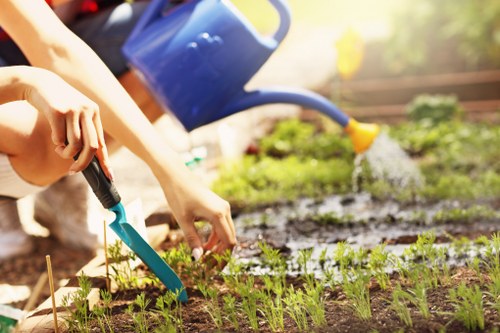 Gardeners Woolwich is committed to creating an eco-friendly waste disposal area for every garden we manage. Our approach combines practical on-site recycling with community partnerships so that garden waste is treated as a resource, not rubbish. We promote an sustainable rubbish gardening area model across Woolwich and neighbouring boroughs, aligning with local waste separation practices and the Royal Borough of Greenwich's emphasis on separate food, garden and mixed recycling streams.
We set a clear recycling percentage target: a 70% recycling and composting rate for garden and green waste by 2030, with an interim target of 55% by the end of 2026. These goals cover the full range of activities from turf and hedge trimmings to soil reuse and woody prunings. Reaching that target requires combined action: correct separation at source, effective transfer to local depots and reuse or compost processing that delivers low-carbon outcomes for the borough.
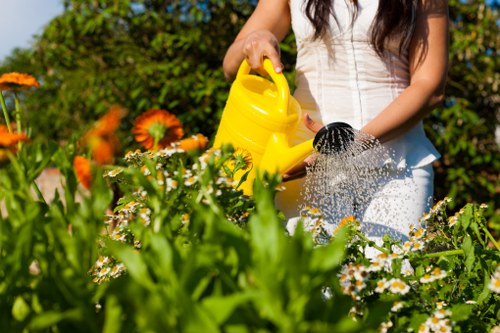 To make this practical for households and community green spaces we maintain an efficient network of drop-off points and coordinate collections. We work closely with local transfer stations and reuse centres to minimise haulage time and keep emissions down. Local sites we partner with include the borough's transfer facilities, nearby reuse centres in Thamesmead and Belvedere, and municipal composting hubs that accept segregated green waste and woodchip.
Our on-site practices emphasise waste avoidance and resource recovery: mulching, on-site composting, chipping of woody waste and creating dedicated green waste bays in community gardens. We encourage eco friendly waste disposal area setups for allotments and estates, using colour-coded sacks and clear labels to reflect the borough approach to waste separation: recyclables, food/organic, garden waste and residual. This reduces contamination and ensures higher-quality outputs for composting and recycling plants.
Partnerships extend beyond transfer stations. We collaborate with charities and social enterprises to give garden materials a second life. Examples include working with Groundwork London on community compost projects, supporting local charity reuse schemes that repurpose potted plants and soil, and donating surplus topsoil and untreated timber to community growing projects in Woolwich. These links boost circularity and deliver social value as well as ecological benefit.
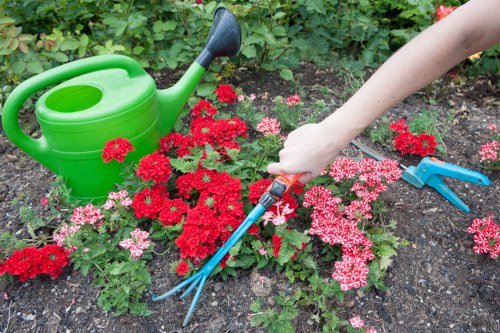 As part of our sustainability pledge we run educational sessions for community groups and gardeners (not how-to guides, but awareness sessions), and we coordinate bulk deliveries to local reprocessors to reduce repeated journeys. Our logistics strategy focuses on consolidation: fewer, fuller loads to transfer stations, which improves the greenhouse gas balance of green waste handling and helps meet the recycling percentage target we’ve set.
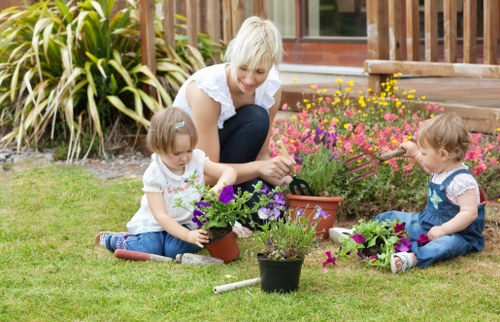 Transport is a major part of reducing carbon impacts. Gardeners Woolwich deploys a mixed fleet of low-carbon vans including electric vehicles and plug-in hybrids, with a transition roadmap to net-zero fleet emissions by 2035. We also use cargo bikes and trailer combinations for short urban runs, cutting idling and emissions in the Woolwich town centre. Our logistics choices are designed to make the eco-friendly waste disposal area model practical at scale.
Our sustainability commitments include tracking performance and publishing annual summaries of diverted landfill volume, compost produced, woodchip reused and the percentage of materials directed to social enterprises. We monitor contamination rates to fine-tune our colour-coded separation systems and collaborate with borough waste teams to align collection schedules. This coordination helps support borough-wide targets for reduced landfill and increased recycling.
 Key actions you can expect from us, whether managing a private garden, a communal green area or an allotment, include:
- Segregated green waste collection and clear labelling to match council recycling streams.
- Partnerships with local transfer stations and municipal composting hubs to keep transport low and efficient.
- Charity and community collaborations to reuse soil, plants and untreated timber rather than sending them to landfill.
- Low-carbon transport using electric vans, hybrids and cargo bikes to lower emissions.
Measuring Success and Local Impact
We set measurable milestones: interim recycling and composting rates, reductions in vehicle miles per tonne of waste moved, and increased tonnes redirected to community reuse schemes. By aligning our targets with borough policies on separation – for example separate organic collections, dedicated garden waste services and mixed recycling streams – Gardeners Woolwich aims to support the broader municipal strategy while maintaining practical, customer-facing services.
Long-term Vision
Our long-term vision is a resilient, low-carbon chain for garden materials: from a neighbour's hedge trimmings to compost used on local allotments, all processed with minimal transport emissions and maximum social benefit. By delivering an effective sustainable rubbish gardening area and an accessible eco-friendly waste disposal area across Woolwich, we want to make green waste a local asset that supports biodiversity, soil health and community projects for years to come.

